
Scrap and Yield Loss Don’t Start at the Press—They Start in Storage
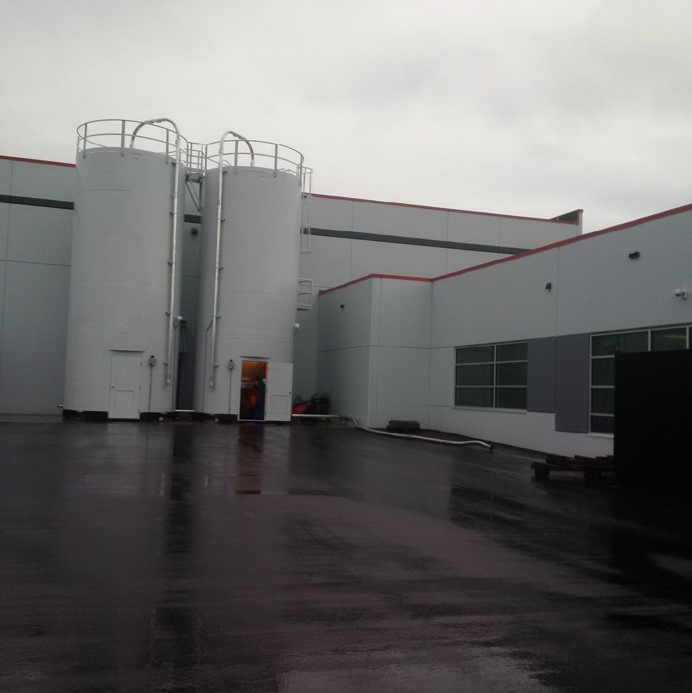
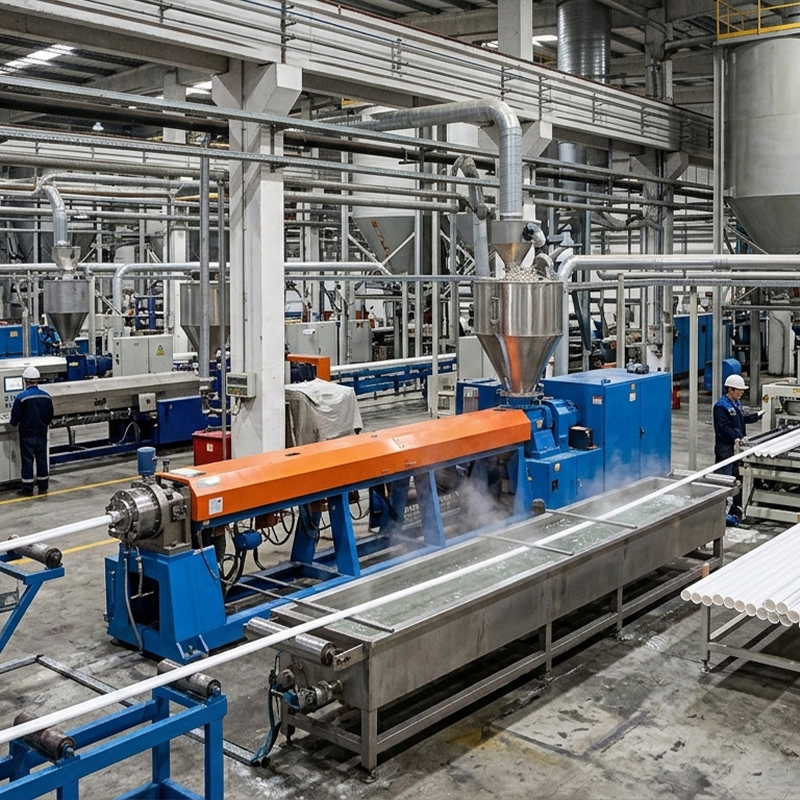
Plastics manufacturers invest heavily in machines, tooling, and process control systems. Yet many continue to battle scrap, rework, and yield loss that seem immune to parameter adjustments. The uncomfortable reality is that many quality problems originate upstream of the machine, long before material reaches the screw.
Bulk storage—particularly silo design—is one of the most overlooked contributors to process stability. SmoothWall silos, when properly specified, can quietly eliminate sources of variability that drive scrap and erode yield.
Variability Is the Enemy of Yield
Plastics processes are unforgiving. Minor inconsistencies in material flow, blend uniformity, or feed rate can result in:
- Dimensional drift
- Surface defects
- Unstable extrusion output
- Excessive startup scrap
When those issues persist across shifts or lots, leadership often assumes the problem lies with people or machines. In many cases, the real culprit is inconsistent material behavior caused by inadequate storage design.
SmoothWall Silos Support Predictable Flow
SmoothWall silo construction reduces internal friction points that cause bridging, rat-holing, and erratic discharge—especially important when handling:
- Regrind
- Blended materials
- Additive-rich compounds
- Fine or irregular pellets
Paired with skirted designs that allow robust outlet configurations and clean integration with conveying systems, SmoothWall silos help ensure the material entering the process behaves the same way hour after hour.
Consistency at this stage widens the effective process window and reduces the need for constant adjustments.
Cleaner Changeovers, Less “Gray Material”
Every plastics operation has experienced it: the ambiguous period after a material or color change where quality is questionable and scrap quietly accumulates.
SmoothWall interiors reduce places where material can lodge and slowly release during transitions. Skirted silos further support cleaner changeovers by enabling better access, simplified discharge geometry, and improved material evacuation.
The result is:
- Shorter stabilization times
- Fewer mixed-lot defects
- Less purge material
- More sellable product per run
Over time, these incremental improvements add up to meaningful yield gains.
Storage as a Process-Control Tool
Leading processors now treat storage as part of the process—not passive infrastructure.
When SmoothWall skirted silos are sized and assigned intentionally, plants can:
- Separate virgin resin, regrind, and alternates
- Reduce unintended blending
- Maintain material identity and traceability
- Support disciplined material management practices
This approach is especially valuable in multi-product plants where variability compounds quickly.
The Metrics That Matter to Leadership
Yield improvement initiatives succeed when they tie to metrics executives recognize:
- Scrap rate reduction
- OEE improvement
- Reduced quality holds
- Fewer customer complaints
- Increased available capacity
SmoothWall silos contribute indirectly but materially to all of these by removing upstream instability.
Executive Takeaway
You can tune machines endlessly, but you cannot tune away inconsistent material flow. Yield improves when variability is engineered out of the system.
SmoothWall skirted silos provide a practical, durable foundation for consistent feeding, cleaner changeovers, and more predictable processing. For plants serious about scrap reduction, storage deserves a seat at the process optimization table.